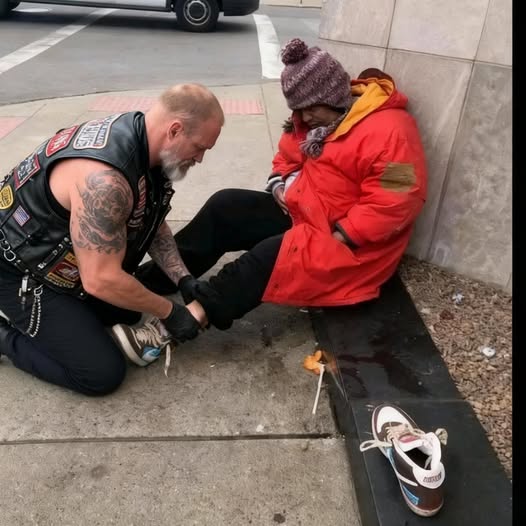
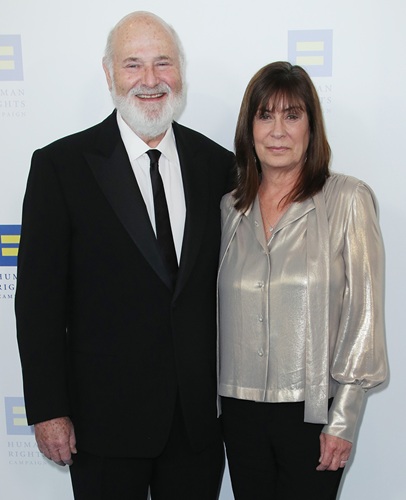
Legendary filmmaker Rob Reiner, 78, and his wife, Michele Singer Reiner, 68, were found dead in their Los Angeles Brentwood home on December 14, 2025, in what authorities are treating as a double homicide.Both suffered fatal stab wounds, and their 32‑year‑old son, Nick Reiner, was arrested and later charged with two counts of first‑degree murder in connection with their deaths.
The couple’s daughter discovered their bodies, and police say the investigation is ongoing as prosecutors prepare to pursue charges.
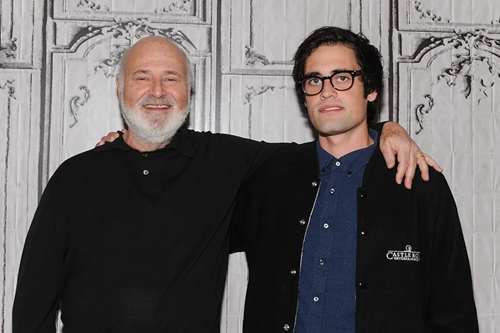
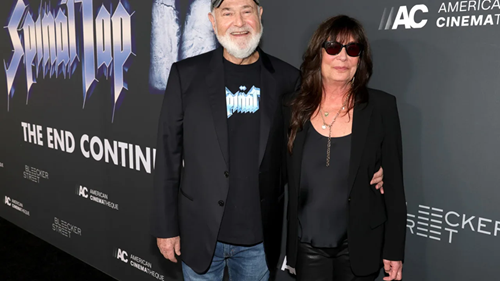
Rob Reiner was one of Hollywood’s most influential directors and actors, celebrated for classic films including This Is Spinal Tap, Stand by Me, When Harry Met Sally…, A Few Good Men and The Princess Bride.
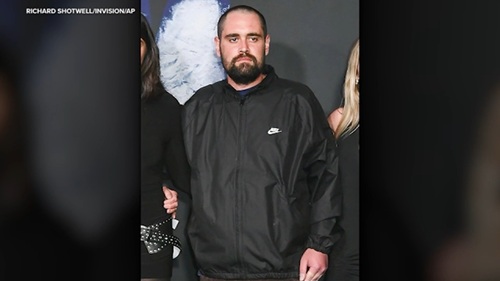
Michele Singer Reiner was a respected photographer and producer who collaborated with her husband on many projects.Married for 36 years, they raised three children together and were widely admired both personally and professionally.
Tributes from peers, collaborators and friends poured in across the entertainment world, honoring the Reiners’ creative contributions, humanitarian work, and deep friendships.Trump’s Controversial Reaction and Outrage
Amid this profound loss, President Donald Trump’s reaction sparked a national firestorm.Within hours of the news being reported, Trump took to his social media platform Truth Social with a post that many described as mocking rather than consoling.
In the message, he suggested — without evidence — that Reiner’s death was connected to what he disparagingly calls “Trump Derangement Syndrome,” a pejorative term used by his supporters to dismiss critics of the former president.Trump wrote that Reiner “reportedly” died “due to the anger he caused others” and criticized Reiner’s long history of public opposition to him.
When pressed by reporters, Trump doubled down on his comments, saying he had “never been a fan of his” and repeating negative characterizations of the late director.The White House also amplified the initial post through its rapid‑response channels, which further fueled widespread outrage from both ends of the political spectrum.Swift Bipartisan and Cultural Backlash
The response to Trump’s remarks was immediate and sharply critical:Across party lines, lawmakers denounced the president’s comments as inappropriate and lacking basic empathy for a grieving family.
Some longstanding Trump allies publicly distanced themselves, urging a respectful and compassionate response instead of politicization.Late‑night television hosts and cultural figures reacted strongly. Comedian Jimmy Kimmel called Trump’s post “hateful and vile,” describing it as a shocking choice to politicize a horrific murder.Others on late‑night shows, including Seth Meyers, criticized the president for making the tragedy about himself and failing to acknowledge the real human loss.
Public figures and entertainers also spoke out. The View co‑host Whoopi Goldberg criticized lawmakers who stayed silent and called Trump’s remarks offensive during a family’s moment of mourning.
WWE Hall of Famer Mick Foley publicly announced he was severing professional ties with WWE over its association with Trump, calling the Reiner commentary the “final straw.”In contrast to the political attacks, many Hollywood actors, directors, political leaders and friends offered heartfelt tributes to the Reiners’ legacy, emphasizing their artistic achievements, kindness, activism and philanthropic efforts.These remembrances highlighted the couple’s impact on film, culture and social causes, standing in stark contrast to the president’s commentary.
Broader Debate on Leadership and Decency
For many observers, the episode quickly became less about partisan politics and more about decency in public life — sparking widespread discussion about the responsibilities of national leaders to acknowledge personal tragedy with respect.
Critics argued that invoking political grievances at such a moment deepened national divisions, inflicted further pain on a grieving family, and eroded norms of empathy and unity.
At the same time, some defenders of Trump’s post framed his remarks within broader cultural debates about free speech, political expression, and how public figures should be remembered after their deaths, though these defenses did not quell the broader backlash.