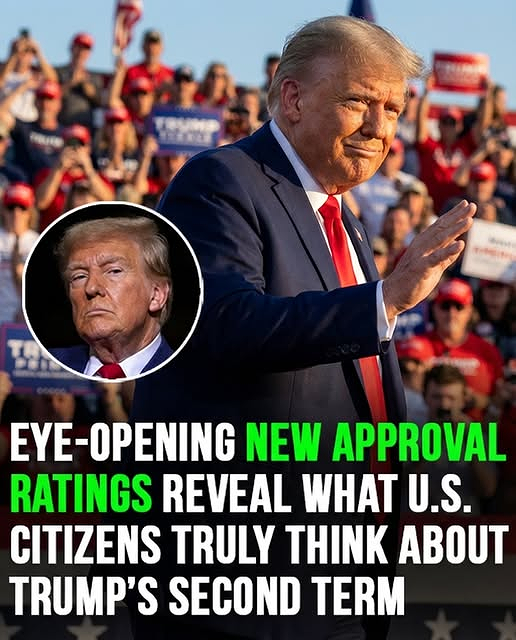
Donald Trump and members of his administration often describe his leadership as historically successful, citing economic gains, trade policies, and national strength as evidence of rapid progress. Supporters point to his confident messaging and assertive governing style as signs of momentum during his second term.However, critics argue that some of these claims rely on selective interpretation of data, and that public opinion has not shifted as dramatically as official statements suggest. Recent polling highlights this divide. Surveys show that Trump continues to maintain a strong and loyal base, yet broader approval remains limited.
According to an AP-NORC poll, about four in ten U.S. adults currently approve of his job performance, while a clear majority express dissatisfaction. Similar patterns appear across key policy areas, including the economy, immigration, and foreign affairs. These results suggest that while Trump dominates political discussion and remains influential within his party, much of the public remains cautious about his leadership direction.
Analysts note that polarization has intensified, with opinions about his presidency often shaped more by long-standing views than by recent policy actions. As his second term continues, attention will remain focused on whether public attitudes shift or remain steady. For now, polling indicates a nation divided between strong support and persistent skepticism, reflecting a political landscape shaped by contrasting perspectives on leadership, governance, and national priorities.


