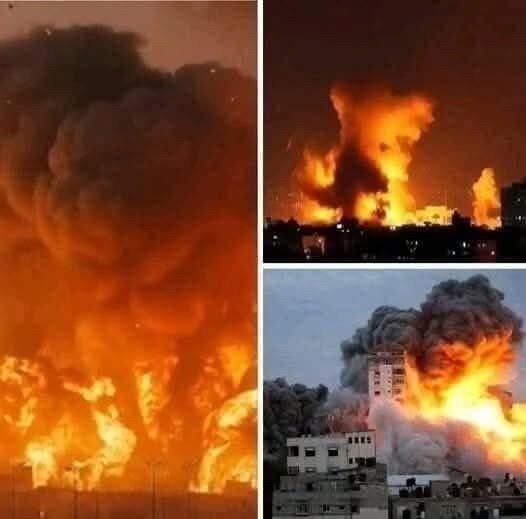
A sweeping fire tore through the Pamplona Alta sector of San Juan de Miraflores in Lima on Saturday afternoon, transforming what began as a localized blaze into a disaster that displaced hundreds of residents within hours. The fire erupted in a zone known for its tightly packed dwellings—many constructed from wood, cardboard, and lightweight metal sheets—and quickly consumed home after home as winds and the combustibility of the structures fueled the flames. Thick smoke billowed high above the hills, visible across wide stretches of the capital, while the residents below scrambled to escape with whatever items they could gather. Streets filled with people clutching clothing bundles, furniture fragments, or nothing at all, while others simply stood in shock as the fire overtook the homes they had occupied for decades. What began as an afternoon like any other swiftly turned into a communal flight for survival, with families seeking refuge in neighboring streets, open plazas, and improvised shelters as firefighters struggled to reach the area’s narrow corridors.
By the time emergency crews were able to establish control over the advancing fire, initial counts suggested that dozens—and possibly more than one hundred—homes had been damaged or destroyed. Local media, echoing statements from firefighters at the scene, emphasized that the density of the neighborhood left little room for firebreaks, allowing flames to hop from roof to roof with devastating efficiency. Pamplona Alta, shaped by years of informal urban growth, consists largely of self-built structures that, while functional, lack fire-resistant materials and rely on precarious electrical setups. For families who have cultivated their lives on these hillsides—some for generations—the sudden loss of their homes represents not only economic devastation but the collapse of the fragile stability they had managed to build. Authorities moved quickly to assess the scale of the disaster, but even in the early hours after containment, it was clear that residents would be confronting enormous challenges in the coming weeks and months, from basic shelter needs to the emotional trauma of seeing their community transformed into ash.
Firefighters reported that access difficulties significantly impeded their efforts. The emergency vehicles had to navigate steep, narrow passages—many scarcely wide enough for a small car—which forced crews to carry hoses and equipment by hand while residents worked alongside them to clear pathways. The rapid spread of the flames required responders to prioritize evacuations and containment rather than extinguishing every burning structure, as the immediate concern was preventing the fire from reaching adjacent settlements built under similarly vulnerable conditions. Adding to the complexity of the situation were early indications that the blaze may have begun near an informal fireworks operation. Videos taken by residents showed bursts of light and several small explosions during the early stages of the fire, consistent with pyrotechnic materials igniting. While the official investigation is ongoing, authorities are treating this possibility seriously, acknowledging that the presence of fireworks could have intensified both the speed and the ferocity of the blaze. If confirmed, the incident would underscore the ongoing risks posed by unregulated workshops operating inside residential zones.
Once the flames were finally contained, humanitarian organizations, municipal offices, and community volunteers mobilized quickly to respond to the immediate crisis. Emergency shelters began to take shape in nearby public facilities, where families received food, water, blankets, and first aid. Despite the scale of destruction, authorities reported no fatalities, a testament to the rapid evacuation efforts by both residents and firefighters. However, several people suffered burns and smoke inhalation, and medical teams set up temporary stations to treat injured residents on-site. Still, the physical survival of the community does not diminish the gravity of its losses: homes built through years of effort, cherished belongings, and essential documents were reduced to rubble within minutes. Children who watched their houses vanish in flames were left shaken, and psychologists warned that the emotional damage—particularly among minors—should not be underestimated. In response, NGOs prepared support programs that include temporary schooling arrangements, counseling, and recreational activities designed to help younger residents process the trauma.
The broader community of San Juan de Miraflores responded with remarkable solidarity. Local businesses opened their doors as makeshift shelters, neighboring districts coordinated donation drives, and civic organizations gathered essential supplies ranging from food staples to hygiene products. Social media became a lifeline for coordination, with residents sharing real-time information about safe zones, drop-off points for donations, and lists of essentials needed by displaced families. The fire also reawakened longstanding concerns among urban planners and policy experts about the vulnerabilities faced by Lima’s informal settlements. Pamplona Alta is one of many neighborhoods shaped by rapid urban migration and limited state oversight, resulting in living conditions that, while resilient in their own way, leave residents dangerously exposed to fires, landslides, and other emergencies. Critics argue that while emergency responses are critical, they must be paired with long-term strategies—better urban planning, improved infrastructure, and stricter enforcement of safety regulations—to reduce the risk of future disasters. Informal workshops, particularly those dealing with hazardous materials like pyrotechnics, pose significant threats when interwoven into dense residential environments, and the fire has prompted calls for more thorough inspections and enforcement.
As investigations move forward, authorities are gathering testimony from residents and combing through the debris to piece together the fire’s origin and progression. Preliminary theories highlight a combination of factors—improperly stored fireworks, combustible construction materials, and overcrowded living conditions—that created an environment where a small spark could escalate into a catastrophe. Municipal officials have pledged comprehensive support for affected families, including financial assistance, temporary lodging, and long-term rebuilding plans. They have also requested coordination with national disaster management agencies to ensure an adequate and sustained response. While the focus remains on alleviating immediate hardship, the incident has stimulated deeper conversations about inequality, urban vulnerability, and resilience in communities like Pamplona Alta. For residents, the path forward will be daunting. Many lost everything—homes built across years of sacrifice and possessions that held irreplaceable sentimental value. Yet amid the devastation, the community has demonstrated resilience and unity, working hand in hand with authorities and volunteers to begin the slow but determined process of recovery. The fire stands as both a human tragedy and a catalyst for urgent reflection on how to protect Lima’s most vulnerable populations, and how to ensure that no future fire leaves such profound scars on a community.
