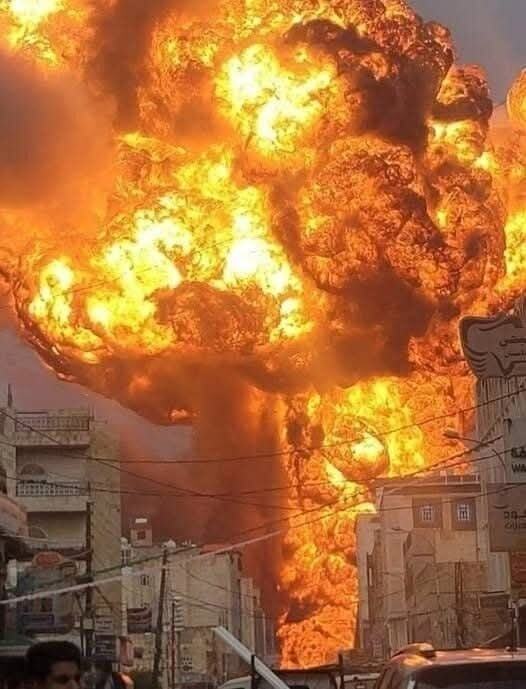
San Juan de Miraflores, a district in southern Lima, was jolted Saturday afternoon when a fast-moving fire tore through Pamplona Alta, an area defined by steep hillsides and tightly clustered homes. Thick black smoke rose high above the city as flames jumped from roof to roof, driven by strong winds and highly flammable materials. Residents fled into the streets carrying children, elderly family members, and whatever belongings they could grab, while some attempted unsuccessfully to contain the blaze themselves.
The neighborhood’s terrain made emergency response especially difficult. Narrow dirt roads, crowded stairways, and dense construction prevented fire engines from reaching many homes. Firefighters were forced to carry hoses and equipment on foot as police helped evacuate residents. Gusts of wind scattered embers into nearby structures, and limited water access slowed efforts to control the fire.
Initial reports indicated extensive damage, with dozens of homes destroyed and some estimates rising above one hundred. Hundreds of people were left displaced, and several residents—particularly children and older adults—were treated for smoke inhalation at local health centers. Schools and community buildings were quickly converted into shelters, supported by neighbors and volunteers providing food, water, and clothing.By nightfall, authorities said the fire had been contained, though crews continued monitoring hot spots to prevent flare-ups. Investigators later pointed to a possible cause of the fire’s rapid spread: an illegal fireworks or pyrotechnics workshop that may have fueled explosions and intensified the flames. As officials assess damage and register families for aid, community leaders are urging long-term solutions such as safer housing, improved roads, and reliable water systems. Amid the loss, residents of Pamplona Alta have shown resilience and solidarity, hoping recovery will also bring change to prevent future disasters.