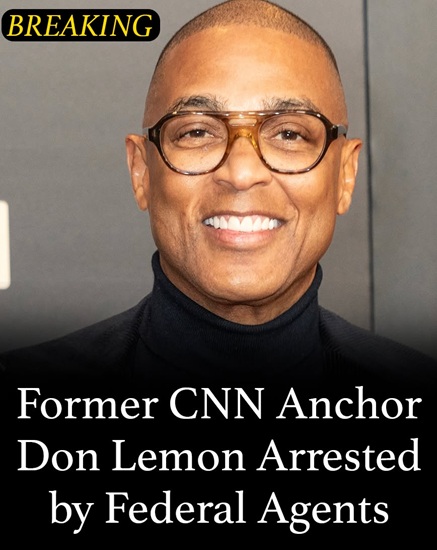
Former CNN anchor and veteran journalist Don Lemon was arrested by federal authorities in Los Angeles on the evening of January 29, 2026, while he was in town covering the 68th Annual Grammy Awards.
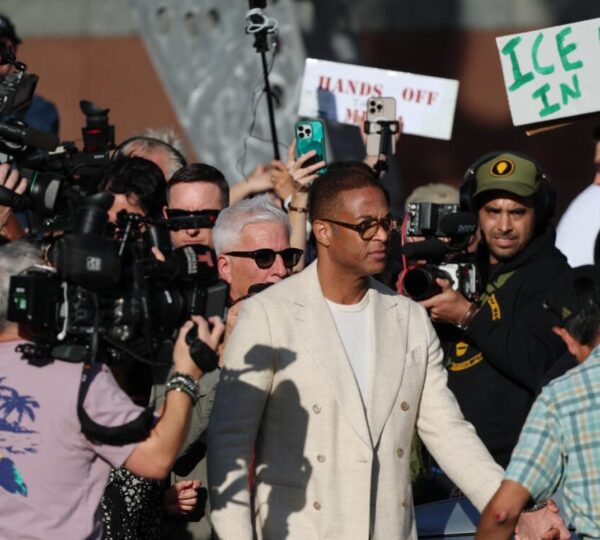
The arrest was confirmed by his attorney and later reported by multiple major news outlets. Lemon’s detention comes nearly two weeks after he was present at a controversial anti-ICE protest in St. Paul, Minnesota, where demonstrators entered Cities Church during a Sunday worship service.
That protest, which began on January 18, 2026, drew national attention for its disruption of a religious service and its connection to ongoing demonstrations against federal immigration enforcement policies.
What Happened at the Cities Church Protest
The protest that triggered the investigation involved a group of demonstrators who entered Cities Church after learning that one of its pastors also worked as a field official for U.S. Immigration and Customs Enforcement (ICE).
Participants chanted slogans such as “ICE out” and “Justice for Renee Good,” referencing the January 7, 2026, fatal shooting of Renee Good, a 37-year-old U.S. citizen, by an ICE agent in Minneapolis.
According to prosecutors, the demonstration disrupted the church’s worship service and created a tense confrontation between protesters and congregants.
Videos from the event show people shouting and engaging with worshippers inside the building, while Lemon and other journalists documented the scene.
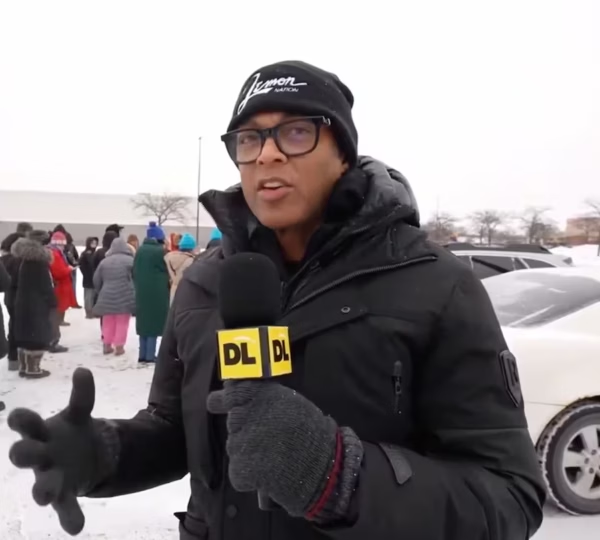
Lemon has consistently stated that he attended the protest in a journalistic capacity, livestreaming coverage and interviewing both protesters and attendees. “I’m not here as an activist,” he said during the event, “I’m here as a journalist.”
Federal Charges and Indictment
Federal prosecutors later pursued criminal charges connected to the protest, alleging that Lemon and several others engaged in actions that interfered with the congregation’s First Amendment right to worship and committed a conspiracy to deprive others of their civil rights.
The indictment cites two federal statutes that are rarely used in cases involving private citizens:
18 U.S.C. § 241, a Reconstruction-era civil rights law prohibiting conspiracies to injure or oppress constitutional rights; and
18 U.S.C. § 248, part of the Freedom of Access to Clinic Entrances (FACE) Act, which also protects the exercise of religious freedom.
Prosecutors characterized the church incident as a “takeover-style attack” that obstructed congregants and disrupted their worship.
Lemon and the other defendants, including independent journalist Georgia Fort, were indicted by a federal grand jury after an earlier effort to secure arrest warrants was blocked by a magistrate judge in Minnesota who found insufficient evidence on one attempt. However, the Justice Department successfully obtained an indictment that led to the arrests.
Arrest in Los Angeles
Federal agents, including members of the FBI and Homeland Security Investigations (HSI), executed Lemon’s arrest late Thursday night at a hotel in Los Angeles where he had been staying for the Grammy coverage. Other journalists and activists were also detained.
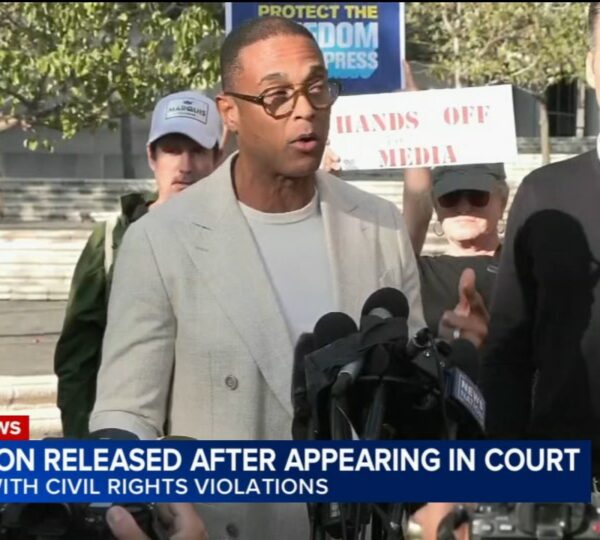
Lemon was brought before a federal judge in Los Angeles on January 30, where he was released without bail under a personal recognizance bond.
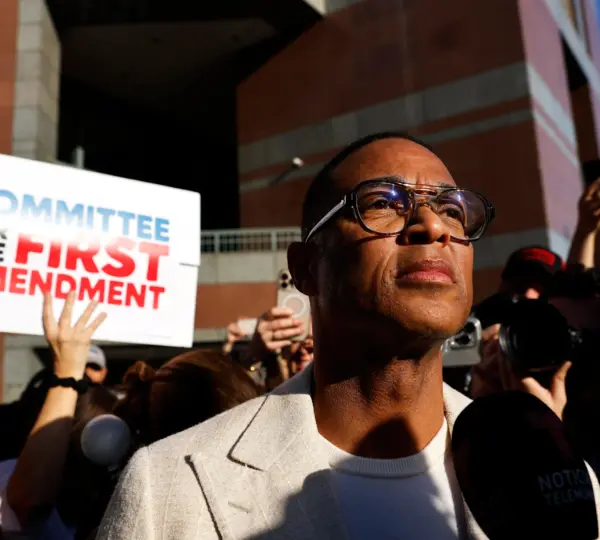
Conditions of his release include restrictions on contacting known victims, witnesses, or co-defendants in the case, as well as court approval for international travel. He is next scheduled to appear in federal court on February 9, 2026, in Minnesota.
Statements from Lemon and His Legal Team
Lemon’s attorney, Abbe Lowell, sharply criticized the Justice Department’s decision to arrest him, describing it as an attack on journalism and the First Amendment.
Lowell stated that Lemon’s work in Minneapolis was consistent with his decades-long career covering news stories, and that the Constitution protects journalists “whose role it is to shine light on the truth and hold those in power accountable.”
Lemon himself has vowed to fight the charges vigorously, asserting that the arrest will not deter his journalistic efforts. Outside the courthouse, he reiterated his commitment to reporting and emphasized that press freedom is a fundamental right.
Reactions from Press Freedom Advocates
News of Lemon’s arrest quickly drew strong reactions from press freedom advocates and civil liberties organizations.
Groups such as the Knight First Amendment Institute, the International Press Institute, and the National Association of Black Journalists (NABJ) publicly condemned the charges, warning that prosecuting journalists for covering protests could set a dangerous precedent for press freedom in the United States.
Critics argue that prioritizing charges against journalists for documenting or reporting on political demonstrations, especially ones involving contentious immigration enforcement tactics, poses chilling effects for media coverage and democratic principles.
Government’s Position
Attorney General Pam Bondi and other Justice Department officials defended the arrests, framing the incident as a necessary enforcement of federal laws protecting religious freedom and the constitutional rights of worshippers. In social media statements, Bondi emphasized that attacks on places of worship would not be tolerated.
Supporters of the government’s action include some political figures who argue that entering a church service in a confrontational manner crosses the line between journalism and participation in a disruptive protest.
Others contend that Lemon’s presence alongside demonstrators may have blurred his role as a reporter.
Broader Context: Protests and Immigration Enforcement
The Cities Church protest occurred amid a broader wave of anti-ICE demonstrations in early 2026, largely centered in Minneapolis and other U.S. cities.
These protests were sparked by public outrage over federal immigration enforcement and high-profile deaths linked to ICE agents, including the killing of Renee Good and the later fatal shooting of Alex Pretti, a Minneapolis resident, which prompted a separate federal civil rights investigation.
These events have intensified debates over immigration policy, law enforcement conduct, and civil liberties, setting the backdrop for federal authorities’ response to the church protest and the subsequent arrests.
Legal and Constitutional Debate
Legal experts note that the charges against Lemon are unusual for journalists, as similar situations involving coverage of protests have historically been handled under state law or dismissed altogether.
The application of federal civil rights and FACE Act statutes in this context has drawn scrutiny and raised questions about how laws meant to protect religious freedoms are being interpreted.
Some advocates argue that documenting news events—even controversial ones—is protected by the First Amendment, and that charging journalists for their reporting activities could have far-reaching implications for press freedom.
Others contend that entering a private place of worship during a service, even for reporting, requires careful legal analysis of intent and conduct.
What Comes Next
Don Lemon has stated his intention to plead not guilty to the charges, and his defense team is preparing to contest the indictment in federal court. Court proceedings are scheduled to continue in Minnesota in early February 2026.
As the case unfolds, it is likely to remain a focal point in discussions about the intersection of journalism, protest movements, constitutional rights, and federal law enforcement.