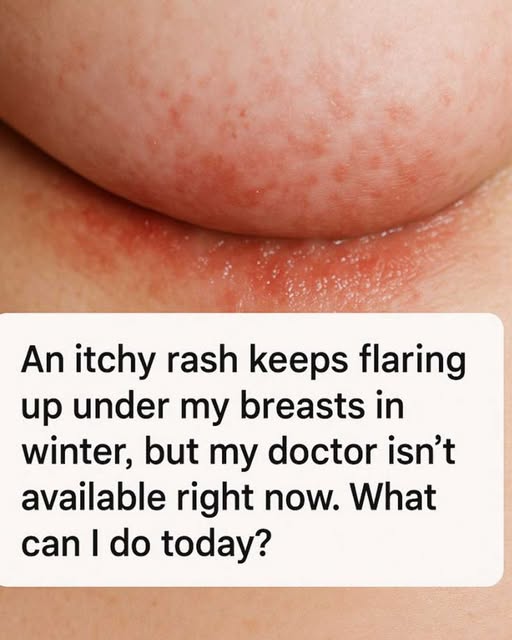
How to Manage an Itchy Under-Breast Rash This Winter
As winter sets in, cold air and indoor heating can dry out your skin, sometimes causing uncomfortable rashes. One common area affected is under the breasts. These rashes can be persistent, itchy, and frustrating—especially when you can’t see a doctor immediately. Understanding causes and home remedies can bring relief and peace of mind.
Recognize a Winter Rash
Most under-breast rashes in winter are caused by intertrigo. This occurs in skin folds where heat, moisture, and friction combine. Layered winter clothing can increase sweating under the breasts, creating the perfect environment for a rash.
Symptoms to watch for:
- Redness and itching
- Burning or raw skin
- Musty odor (sometimes due to yeast or bacteria)
Early recognition helps you act quickly and manage symptoms at home.
Know When to Seek Help
Some signs mean you need urgent medical care:
- Severe pain or swelling
- Rapidly spreading redness
- Fever
- Pus-filled blisters
These may indicate infection and require a doctor’s evaluation or prescription treatment.
Clean the Area Gently
Cleaning is essential but do it carefully:
- Use lukewarm water and mild, fragrance-free soap
- Avoid scrubbing; pat dry with a soft towel
- Keep skin folds moisture-free to prevent further irritation
Keep Skin Dry
After washing, fully dry the area:
- Pat with a towel, don’t rub
- Use a cool fan or hairdryer if needed
- Moisture encourages yeast and bacterial growth
Protect Skin With Barrier Creams
Apply a thin layer of zinc oxide or petrolatum ointment. This forms a protective layer against friction and moisture. Spread evenly over the affected area.
Use Over-the-Counter Antifungal Creams
If the rash seems yeast-related, try creams like clotrimazole or miconazole:
- Apply twice daily
- Monitor improvement over a few days
Reduce Friction With Powders
Lightly dust talc-free or cornstarch alternatives to reduce rubbing. Avoid cornstarch if yeast infection is suspected, as it can feed yeast.
Wear Breathable Clothing
Choose bras and layers that:
- Are made of cotton or breathable fabrics
- Reduce sweat buildup
- Include a thin undershirt layer to wick moisture
Soothe Itching
Relieve discomfort with:
- Cool compresses for 10–15 minutes
- Non-prescription anti-itch creams with menthol or camphor
Adjust Your Daily Routine
Prevent flare-ups by:
- Taking shorter, cooler showers
- Using a humidifier to counter dry indoor air
- Switching to gentle, fragrance-free laundry detergent
Monitor at Home
Track your rash:
- Note any changes in color, size, or symptoms
- Stop home remedies and consult a professional if it worsens after a week
Prepare for Your Doctor’s Visit
Document your condition:
- Take clear photos of the rash
- List products and home remedies you’ve used
- Note any triggers or symptom patterns
- Prepare questions about causes, treatment, and prevention
With consistent care and attention, most winter under-breast rashes can improve at home. Yet, don’t hesitate to reach out to a healthcare provider if symptoms persist or worsen.