A deadly confrontation between federal agents and civilians in Minneapolis has sparked widespread outrage and raised serious questions about enforcement tactics and use of force.
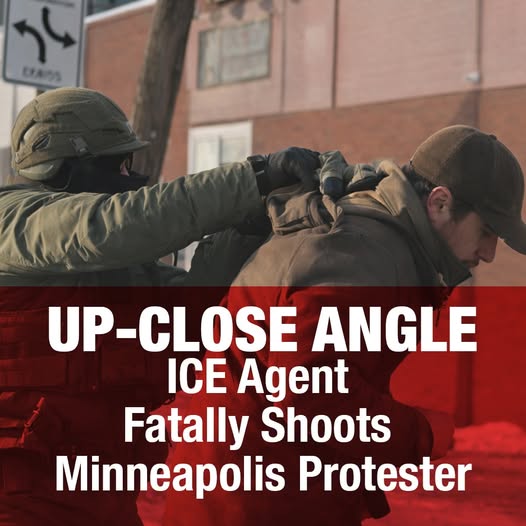
On January 24, 2026, 37-year-old Alex Pretti — a Minneapolis resident and intensive care nurse — was shot and killed during a federal immigration enforcement operation in south Minneapolis. Authorities say an agent fired defensive shots during an altercation, resulting in Pretti’s death at the scene.
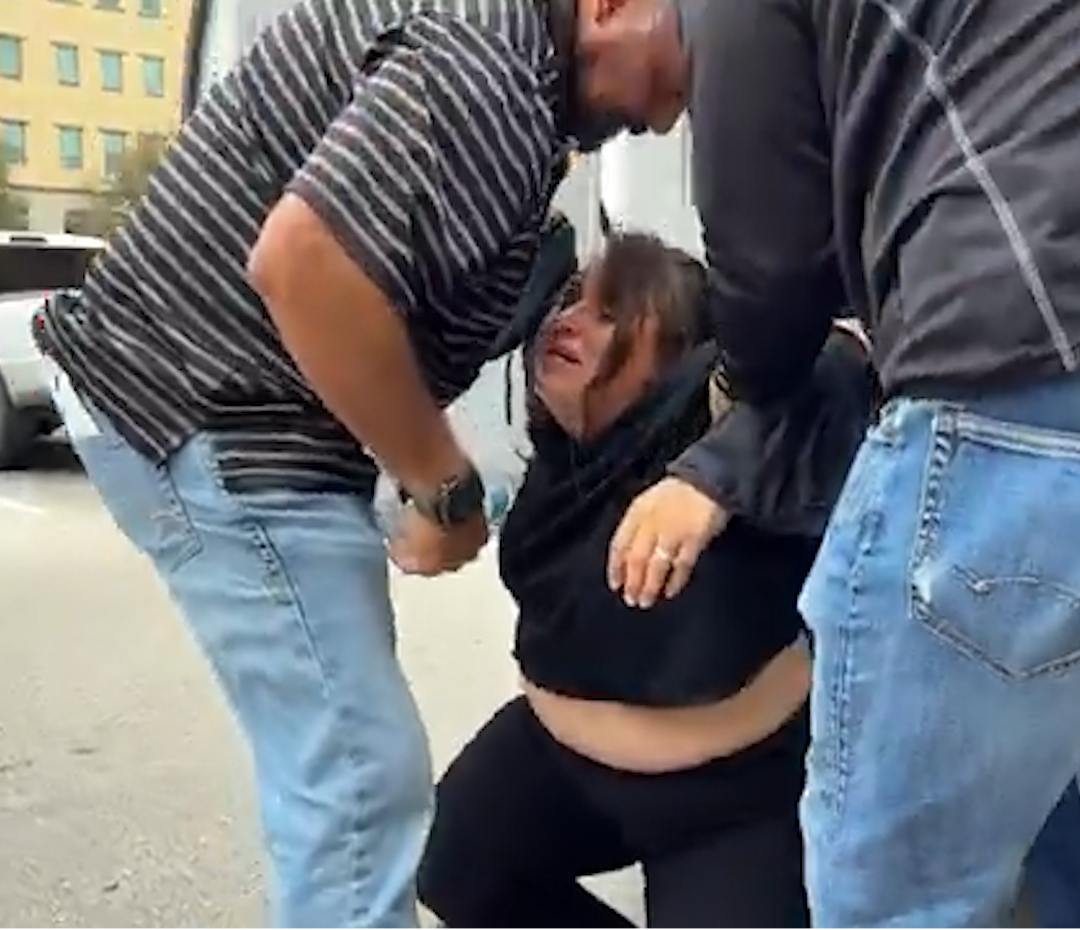
Multiple bystander videos from the scene appear to show Pretti recording officers with his phone and attempting to help another person who had been pushed to the ground during a protest. At one point, an agent is seen pepper-spraying Pretti before he is wrestled to the ground by several officers.
In the tense moments that followed, Pretti was pinned and struck before shots were fired. Some footage suggests an agent removed a firearm from Pretti’s holster just seconds before the shots were fired, though how and why those shots were ultimately discharged remains a subject of fierce debate.
Federal officials initially stated Pretti approached with a handgun and resisted attempts to disarm him, but several video clips show him holding a phone with no visible weapon in hand at certain points. Pretti was a lawful gun owner with a permit, and officials have confirmed his ownership; however, the role of that firearm in the shooting remains contested.
Pretti’s family has described him as a compassionate ICU nurse who was trying to help another person when the situation escalated. They strongly dispute the official narrative that he posed a deadly threat.
Minnesota authorities, including the governor and local law enforcement leaders, have demanded greater scrutiny of how federal agents operate in the city and have called for accountability and transparency in the investigation.
The fatal shooting has triggered additional protests and a legal effort to preserve evidence and prevent destruction of scene material, underscoring how polarized the response has become.
As investigations continue, broader questions about federal enforcement tactics and public safety in Minneapolis remain at the forefront of public debate.