Long before political campaigns dominated television screens, before Senate hearings, presidential debates, and global headlines.
Joe Biden was simply a young man navigating the hopes, uncertainties, and lessons of early adulthood.
Born in Scranton, Pennsylvania, in 1942, Biden grew up understanding hard work, family loyalty, and resilience in the face of challenges.
Yet, it was during his college years in the mid-1960s that he began to encounter a new dimension of life: the complexities and rewards of partnership.
During a spring break excursion, Biden met Neilia Hunter, a young woman whose confidence, warmth, and sharp intelligence immediately captured his attention.
Neilia, described by friends and family as vibrant, ambitious, and inherently compassionate, left a lasting impression on the young college student.
Their connection was instant yet profound, marked by shared humor, common values, and a sense of trust that grew stronger with every conversation.
Neilia was not only charming and self-assured; she had a natural ability to listen, understand, and challenge those around her to be better versions of themselves.
For Biden, she was more than a romantic partner—she became a confidante, a sounding board, and the quiet yet unwavering force that encouraged him to think beyond the confines of his immediate environment.
A Partnership in the Making
As Biden’s interest in public service intensified, Neilia embraced the idea of partnership in both life and ambition. At a time when societal expectations often limited women’s roles in professional or political life, Neilia’s support was both revolutionary and deeply personal.
She balanced her own goals and identity with the needs of the budding political career her husband envisioned.
Together, they navigated the demands of young adulthood: university responsibilities, social engagement, and the dream of a life built on shared ambition.
Their early relationship was characterized by mutual respect and humor, qualities that would define their partnership.
Biden later recalled that Neilia’s presence was grounding; she offered clarity during moments of indecision and reassurance when the pressures of life loomed large.
In those early days, the couple spoke often about family, long-term aspirations, and the values they wanted to instill in future children.
Their bond was quiet but steadfast, forming a foundation that would later sustain them through unimaginable trials.
The Joy of Family Life
By the late 1960s, Biden and Neilia were married, ready to build the life they had envisioned together.

Their home life was full of the vibrancy and chaos familiar to families with young children: laughter, toys scattered across the living room, school events, and evenings spent nurturing curiosity and imagination.
Neilia, in particular, was dedicated to her role as a mother. She fostered a nurturing environment for their children, ensuring that the home remained a place of love, stability, and encouragement, even as Joe embarked on the early stages of a political career.
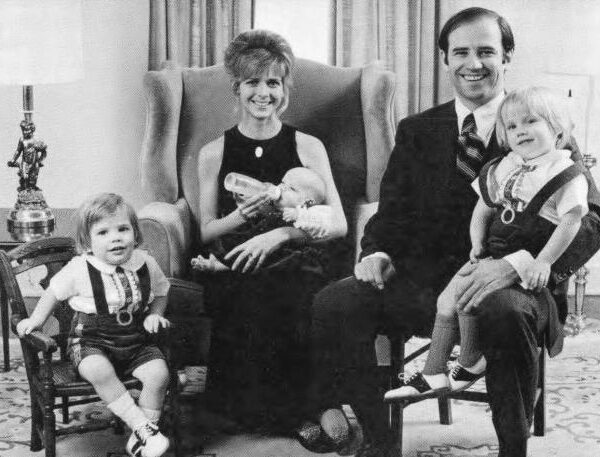
The couple had three children in the early years: Beau Biden, Hunter Biden, and their daughter Neilia “Amy” Biden. Each child was celebrated and cherished, with Neilia and Joe working together to cultivate an environment that prioritized family, even as professional obligations loomed.
The young family’s life in Delaware was defined by hope, ambition, and a shared vision for the future—a future that promised both personal fulfillment and public service.
A Tragic Turning Point
In December 1972, tragedy struck in a way that would forever change Joe Biden’s life. Mere weeks after his election to the United States Senate, Neilia and their infant daughter, Amy, were killed in a sudden car accident.
The loss was instantaneous, shocking, and devastating, leaving Biden to confront grief that was incomprehensible in its scale.
Overnight, the public achievement of winning a Senate seat was eclipsed by the private devastation of losing the people who meant the most to him.
The accident occurred as Neilia was driving their three children home for the holidays. Accounts indicate that she was stopped at an intersection when a truck collided with her vehicle.
The immediate result was the death of Neilia and Amy, while Biden’s two sons, Beau and Hunter, were critically injured but survived.
The gravity of the situation required Biden to face unimaginable sorrow while stepping into one of the most demanding roles in public life. The juxtaposition of personal tragedy and professional responsibility would define the early years of his Senate career.
Balancing Grief and Duty
In the wake of the accident, Biden’s future in politics was uncertain. He seriously contemplated stepping away from public life entirely, believing that his family must come first.
Friends and colleagues, however, encouraged him to continue, emphasizing the importance of resilience, service, and the long-term impact he could have as a senator.
Biden agreed to persevere, but on one condition: he would never compromise time with his sons.
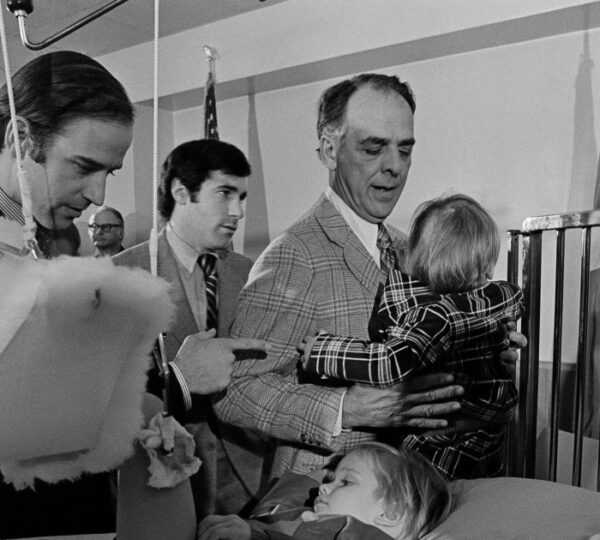
In a historic and symbolic gesture, Biden was sworn into office at the hospital where his sons were recovering, reflecting his unwavering commitment to family even as he assumed a role of national responsibility.
The subsequent years were marked by a grueling routine: daily commutes from Delaware to Washington, D.C., often exceeding 200 miles each way, in order to be home for his children every night.
Colleagues recall that he traveled tirelessly, balancing Senate responsibilities with the emotional and practical needs of his family.
Exhaustion, grief, and the demands of public service defined his early tenure, but through these challenges, he cultivated the empathy, compassion, and perspective that would later become hallmarks of his leadership style.
Shaping a Leader Through Loss
Rather than hardening Biden, the tragedy of Neilia’s death deepened his understanding of vulnerability, responsibility, and human connection.
He often spoke publicly about how the loss influenced his approach to policy, leadership, and empathy, particularly toward families facing hardship.
The ability to connect with constituents on a deeply personal level — to listen, console, and advocate — was shaped in part by the trials he endured during those early years as a widower and father of young children.
Biden’s experience also underscored the value of community support. Extended family, friends, and mentors provided stability and guidance, helping him navigate the dual roles of senator and single parent.
The sacrifices he made, the long hours on the road, and the sleepless nights tending to Beau and Hunter became defining experiences, shaping both the man and the public servant.
A New Chapter with Jill Biden
Years later, Biden found love and partnership again with Jill Biden, who embraced him and his sons with patience, understanding, and unwavering care.
Their marriage marked a new chapter in his life — one built not on erasing the past, but on honoring it while moving forward.
Jill’s support allowed Biden to continue public service while maintaining a strong family foundation, creating a home where resilience, empathy, and love coexisted with ambition and civic responsibility.
Together, they raised a family rooted in compassion, understanding, and shared values, reinforcing the lessons Biden had learned through earlier tragedy.

This new partnership was characterized by mutual respect, open communication, and a shared commitment to service — not only to their family but to the nation.
The Enduring Legacy of Neilia Hunter
Throughout his career, Biden has consistently credited Neilia with shaping his perspective on family, partnership, and public service.
Her influence extended beyond her life, informing his approach to leadership, relationships, and empathy.
In speeches, interviews, and memoirs, he often reflected on how the tragedy of 1972 instilled in him a sense of responsibility to others, the importance of presence in family life, and the fragility of human experience.
Neilia’s legacy lives on in the values Biden champions: commitment to family, compassion for those facing hardship, and the belief that personal loss can inform public leadership.
Her impact is seen not only in the ways Biden raises his own children but also in the policies, speeches, and decisions shaped by the lessons learned during those formative years of grief, endurance, and resilience.
Lessons in Partnership, Loss, and Leadership
The story of Joe Biden and Neilia Hunter offers profound lessons about love, loss, and the human experience.
It highlights how formative relationships can shape character, values, and leadership style. It underscores the importance of balancing ambition with presence, and public duty with private responsibility.
It also serves as a reminder that tragedy, while devastating, can cultivate empathy, understanding, and strength.
Biden’s trajectory from a young widower to a long-serving senator and eventually the President of the United States illustrates how personal experience informs public service.
The empathy he brings to leadership, the attention he gives to families, and his capacity to understand hardship are all reflections of lessons learned from the life he shared with Neilia, and the heartbreak that followed her death.
Conclusion
Long before the public knew him as a senator, vice president, or president, Joe Biden was a young man learning about partnership, responsibility, and the power of love.
His relationship with Neilia Hunter was foundational, shaping his approach to life, family, and leadership.
The tragic loss of Neilia and their daughter Amy in 1972 was a defining moment — one that tested his resilience, deepened his empathy, and influenced the decisions he made for decades to come.
Through grief, dedication, and a commitment to family, Biden continued on a path of public service, carrying forward the lessons of love and loss that Neilia had instilled.
Her legacy is reflected not in headlines alone, but in the humanity, compassion, and steadfast commitment to others that define his life.
The story of Neilia Hunter endures, a quiet but powerful influence shaping one of America’s most recognizable leaders.
From that spring break encounter in the 1960s to the quiet hospital swearing-in, to decades of service and advocacy, Neilia Hunter’s presence continues to echo through Joe Biden’s life, reminding us all that love, guidance, and enduring partnership often leave the most profound imprint — even when the time shared is heartbreakingly brief.