If you flip through old photo albums from the 1970s, one thing immediately becomes apparent: people looked different.
Neighbors, relatives, classmates, and coworkers often appeared leaner, more active, and physically balanced. This wasn’t limited to athletes or those who identified as “fitness enthusiasts.” It was simply the way everyday people looked.
For many older Americans, these memories feel familiar. Life moved at a different pace back then, and the human body reflected that rhythm.
The truth is not about secret diets, extraordinary willpower, or hidden health formulas. The real reason people maintained healthier weights and physical balance in the 1970s lies in how daily life itself was structured.
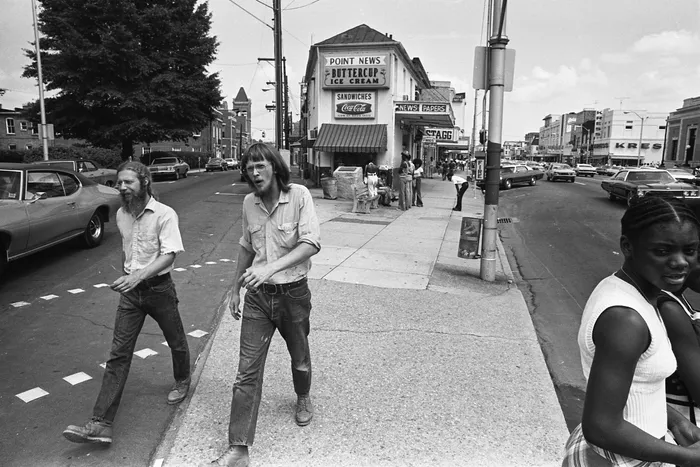
The environment encouraged movement, moderation, and balance naturally, without anyone needing to think about it.
Understanding this shift is not about romanticizing the past. It is about recognizing the systems and routines that quietly supported healthier bodies and exploring ways to adapt similar principles in today’s world.
Daily Movement Was Built Into Ordinary Life
In the 1970s, physical activity did not come from gym memberships, boutique fitness classes, or digital apps. It came from necessity and the way life was organized. Many households owned only one car—or in some cases, none at all—so walking was a natural part of moving through the day.
Children walked to school, rode bicycles, climbed trees, and explored neighborhoods for hours each day. Adults walked to work, walked to the bus stop, ran errands on foot, carried groceries, and climbed multiple flights of stairs regularly. Even office jobs required moving between departments, standing at counters, or carrying documents.
This movement was not considered “exercise.” It was simply how life unfolded. By the end of a typical day, most people had logged miles of walking and other physical activity without intentionally planning it. Physical fitness was an incidental result of daily life rather than a separate goal.
Food Was Simpler, Fresher, and Less Processed
Another key difference between life in the 1970s and today was the nature of food. Grocery stores were smaller, local, and stocked with fewer highly processed items.
Meals relied on simple, recognizable ingredients: fresh vegetables, seasonal fruits, eggs, milk, meat, bread, and staples like beans, rice, and flour.
Highly processed snacks, sugary drinks, and convenience foods were rare. Popular items today—like prepackaged microwavable meals, energy bars, and soft drinks in oversized bottles—either didn’t exist or were consumed only occasionally. Sugar and salt were used sparingly, and recipes were simple, with few ingredients.
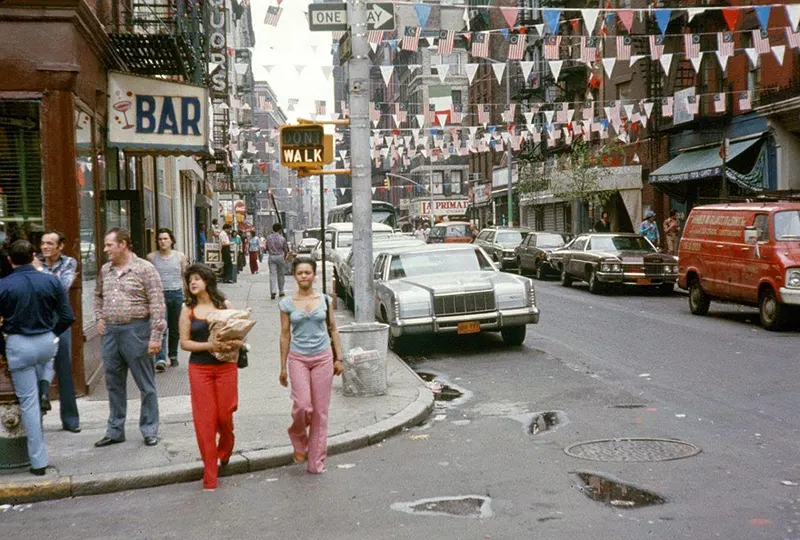
Cooking itself required physical effort. Washing vegetables, peeling potatoes, kneading dough, stirring pots over the stove, and cleaning up afterward added small bursts of movement to the daily routine.
Food preparation was intentional and time-consuming, creating an awareness of what was being consumed. Meals were eaten because people were hungry—not out of boredom, stress, or as a response to constant environmental cues.
Eating Followed Predictable Patterns
Meal timing in the 1970s tended to follow consistent daily patterns. Breakfast occurred in the morning, lunch around midday, and dinner in the evening.
Snacking between meals was uncommon, in part because vending machines were rare, and the constant barrage of food advertising and delivery services didn’t exist.
This predictability allowed the body to learn when to expect nourishment, fostering natural regulation of hunger and satiety. People ate when they were genuinely hungry, stopped when they were satisfied, and then moved on with their day.
The rhythm of eating, resting, and being active created a subtle but powerful framework for maintaining energy balance and body composition.
Portions Were Smaller Without Effort
Portion sizes were modest by default. Soft drinks came in small bottles rather than oversized containers. Plates were reasonable in size, restaurant servings were moderate, and leftovers were common.
There were no supersized options or endless refills, and food was viewed as nourishment rather than entertainment.
Because portions were naturally limited, people consumed fewer calories without needing to track or restrict them consciously. This simple environmental factor made it easier to maintain a healthy weight.
Screen Time Was Limited and Structured
Television existed, but it did not dominate daily life. Programs aired at scheduled times, and when a show ended, the television was turned off. Children often watched briefly before heading outside to play, and families shared meals at the table without digital distractions.

Without smartphones, tablets, or social media, attention was focused on immediate surroundings, social interaction, and outdoor activity.
Compared to today, where screen time can easily exceed several hours a day, the 1970s naturally encouraged movement, conversation, and engagement with the physical world.
Stress Was Managed Through Action and Connection
While stress existed in the 1970s, it was intermittent rather than constant. People were not inundated with 24/7 news, notifications, or digital demands.
When stress built up, it was often released through physical activity or social interaction—walking, gardening, talking with friends, performing hands-on work, or spending time outdoors.
Sleep routines were more consistent, which supported metabolic health, appetite regulation, and energy balance. Food was rarely used as a coping mechanism for emotional overload, because the environment naturally supported healthier outlets for stress management.
Work Required More Physical Effort
Even office work included movement. Employees walked between departments, climbed stairs, carried paperwork, and stood for various tasks.
Manual labor was more prevalent, meaning that a significant portion of the workforce performed physically demanding jobs. Sitting for extended periods without interruption was uncommon.
Movement was integrated into work and daily life, rather than treated as a separate task to “fit in.” This built-in activity contributed to energy expenditure and overall physical health without conscious effort.
Boredom Led to Action, Not Snacking
Without personal screens and digital entertainment, boredom motivated people to act. Children went outside, explored neighborhoods, and engaged in creative play. Adults completed errands, visited neighbors, or worked on hobbies. Idle moments prompted physical activity rather than reaching for snacks.
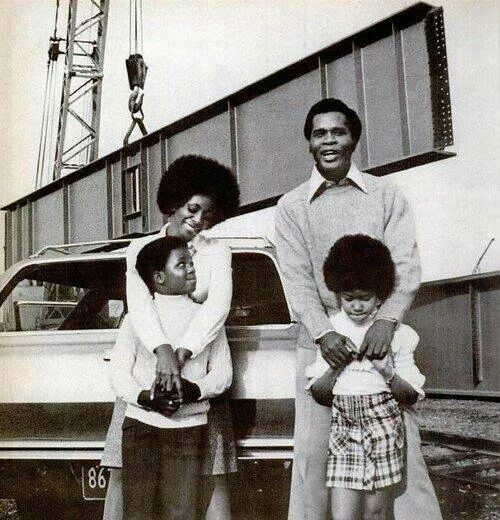
This environment promoted natural movement, creativity, and engagement with the real world, which indirectly supported energy balance and body weight regulation.
The Truth About 1970s Lifestyles
People in the 1970s were not inherently more disciplined or morally superior than those living today. They were not following secret health plans or rigid routines.
The difference was environmental: life itself encouraged balance. Movement was unavoidable, food was simple and less processed, portions were moderate, distractions were fewer, and natural rhythms guided eating, activity, and rest.
Today’s environment often encourages sitting, continuous snacking, and overstimulation. The body responds to the signals it receives. Understanding the lessons of the past is less about nostalgia and more about recognizing how environmental design influences health outcomes.
Walking and Natural Movement
One of the most powerful lessons from life in the 1970s is the role of natural movement. Walking was built into daily routines for both children and adults. Today, most people sit for long stretches at desks, in cars, or on couches. Incorporating more walking into daily life can help recreate the natural activity patterns of the past.
Simple strategies include:
Choosing to walk or bike for short errands instead of driving.
Taking stairs instead of elevators whenever possible.
Scheduling short walking breaks throughout the workday.
Encouraging children to play outside and explore, rather than spend all free time on screens.
Even small amounts of movement accumulated over the day can replicate the calorie expenditure and cardiovascular benefits that were naturally part of life decades ago.
Cooking at Home with Simple Ingredients
In the 1970s, home cooking was a norm. Preparing meals from scratch encouraged awareness of ingredients, portion sizes, and nutritional content. Cooking at home today can recreate many of the same benefits:
Using fresh vegetables, fruits, whole grains, and lean proteins.
Avoiding overly processed foods and packaged meals.

Preparing meals with care, washing vegetables, stirring sauces, and physically engaging with the food.
Cooking is not only a way to nourish the body but also a form of light physical activity, mindfulness, and a chance to reconnect with the process of making food. These habits encourage moderation and appreciation for real, wholesome meals.
Mindful Eating and Portion Control
Eating habits in the 1970s followed predictable patterns: breakfast, lunch, and dinner, with minimal snacking. Portions were moderate, and food was eaten primarily when hungry.
Modern strategies to emulate this include:
Eating without distractions such as phones, televisions, or computers.
Using smaller plates and bowls to naturally reduce portions.
Pausing during meals to recognize satiety cues rather than eating quickly or mindlessly.
Mindful eating helps regulate appetite, prevent overeating, and strengthens the natural signals that guide energy balance.
Managing Screen Time and Digital Overload
Television in the 1970s was limited and scheduled. Today, screens are constant companions, contributing to sedentary behavior, overeating, and disrupted sleep.
Effective strategies include:
Setting boundaries for daily screen use.
Creating screen-free times during meals, walks, and before bed.
Encouraging outdoor or social activities that do not involve screens.
Reducing passive screen time increases opportunities for movement, social interaction, and engagement with the physical environment, echoing the naturally active lifestyle of the 1970s.
Sleep, Stress, and Emotional Well-Being
In the 1970s, routines for sleep and stress management were more consistent. Sleep schedules were generally stable, and stress was managed through physical activity, outdoor time, and social interaction rather than food or digital distraction.
To mimic these benefits today:
Prioritize regular sleep schedules to support metabolism, energy, and appetite regulation.
Use physical activity, outdoor walks, or social connection to manage stress.
Avoid relying on food or screen stimulation as the primary coping mechanisms.
Sleep, movement, and social interaction together maintain hormonal balance, regulate hunger, and support overall well-being.
Incorporating Physical Effort Into Daily Life
Work environments today are often sedentary, unlike the 1970s when even office work required movement. Modern strategies can integrate effort naturally:
Stand while taking calls or during short tasks.
Incorporate brief stretches or bodyweight exercises between work sessions.
Use active commuting or movement-based errands to replace sitting time.
Reintroducing physical activity into everyday routines supports energy balance, muscle tone, and cardiovascular health without requiring formal workouts.
Rediscovering Curiosity and Engagement
In the 1970s, boredom encouraged exploration, hobbies, and creative activity rather than snacking. This principle can be applied today by:
Encouraging outdoor play or walks for children.
Pursuing hobbies, crafts, or DIY projects as alternatives to screen time.
Turning idle moments into productive, movement-based, or mentally stimulating activities.
Curiosity-driven activity replaces passive consumption, naturally increasing energy expenditure and engagement with the real world.
Small Environmental Changes, Big Impacts
The core lesson from the 1970s is that the environment shapes behavior. Modern life can adopt similar principles:
Make healthy foods visible and accessible while limiting processed options.
Arrange living and workspaces to encourage movement and interaction.
Use smaller plates and serve meals at regular times.
Encourage outdoor time and community engagement.
By designing daily life to align with natural activity and eating patterns, the body can function optimally without extreme rules or complicated plans.
Practical Takeaways
Walk Frequently: Even short walks throughout the day recreate natural movement patterns.
Cook at Home: Engage with fresh ingredients to foster awareness and mindful eating.
Portion Mindfully: Use smaller plates and avoid eating in front of screens.
Limit Screen Time: Prioritize active and social engagements over passive viewing.
Manage Stress Actively: Use movement, conversation, and outdoor time instead of food for comfort.
Prioritize Sleep: Maintain consistent sleep schedules to regulate energy and appetite.
Engage Creatively: Replace idle screen time with hobbies, tasks, or outdoor exploration.
- A Lifestyle Approach, Not a Shortcut
The leaner, more balanced bodies of the 1970s were not due to extraordinary discipline, genetics, or secret diets. They reflected a lifestyle where movement, social engagement, simple foods, and predictable routines were natural.
Reintroducing even a few of these habits today can significantly improve well-being, energy levels, and physical comfort. The goal is not to recreate the past perfectly but to apply timeless principles that align with how the human body naturally functions.
Sometimes the simplest, most effective health strategies are not new discoveries—they are reminders of how life once worked and how the body still responds to natural rhythms.