John Cunningham — the dependable, deeply respected character actor whose presence became a constant across Broadway, film, and television for nearly seven decades — has died at the age of 93.
Cunningham passed away Tuesday morning at his longtime home in Rye, where he had lived for years overlooking the 11th hole of the Rye Golf Club, according to his family. His death closes the chapter on a career defined not by celebrity, but by discipline, longevity, and an unwavering devotion to craft.
Often described as a “working actor’s actor,” Cunningham built a life in performance rooted in preparation and humility. In a 1997 interview with Playbill, he once reflected, <blockquote>“In theater you get to do it again, and again, and again. My whole pleasure is trying to get better… Be prepared to be alive.”</blockquote>
That philosophy carried him through a Broadway career that spanned decades. He appeared in 15 Broadway productions, becoming a familiar and steady presence in landmark shows such as Company, Cabaret, Zorba, 1776, Titanic, The Sisters Rosensweig, and Six Degrees of Separation.
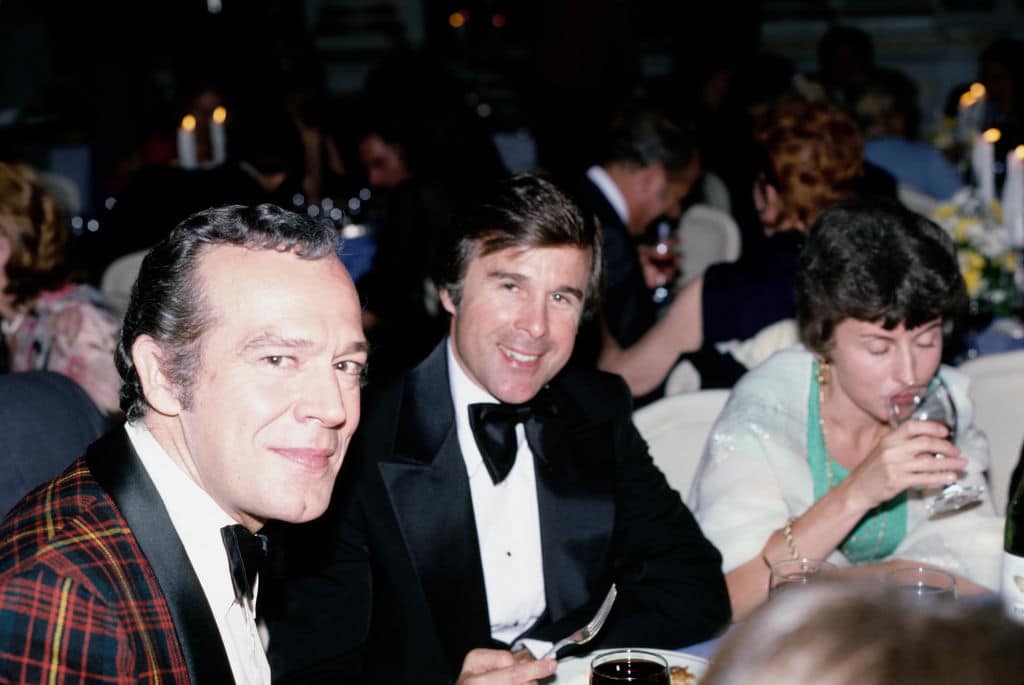
One of his most notable achievements came with Six Degrees of Separation, where he originated the role of Flan Kittredge on Broadway from 1990 to 1992 before reprising the role in the 1993 film adaptation. His stage performance was later echoed on screen by Donald Sutherland.
Cunningham’s stage career began in striking fashion. In 1960, at just 27 years old and before he had even secured an agent, legendary director Moss Hart cast him as Zoltan in the national and international tours of My Fair Lady, where he also served as understudy for Henry Higgins. His final stage performance came in 2012, at age 80, in Painting Churches, bringing a lifelong theatrical journey to a quiet, fitting close.
Though the theater was his artistic home, Cunningham left an equally indelible impression on film audiences. He was remembered by many as the reserved, old-fashioned father in Mystic Pizza and as the stern yet caring parent of Ethan Hawke’s character in Dead Poets Society. His film résumé also included School Ties, For Love or Money, Nixon, The Jackal, Shaft, and Roommates.He also became a subtle scene-stealer through voice work, including the humorous “How to Be a Man” self-help tape in In & Out and the Fed Net announcer in Starship Troopers.

In 1986, The New York Times summed up his reputation with rare precision, calling him “ever-reliable and ever-employed” — a description Cunningham reportedly treasured. Despite his long list of credits, he often joked that he had “never worked a day” in his life.
Born on June 22, 1932, and raised in New Paltz, New York, Cunningham was the son of a high school principal. After graduating from Dartmouth College, he served in the U.S. Army, where a fortuitous reassignment placed him in an acting troupe performing for troops stationed across Europe. That experience set the course for the rest of his life.
Following his military service, he earned a master’s degree from Yale Drama School and moved to New York, pursuing an acting career alongside his close friend and classmate, Dick Cavett.
Television audiences saw Cunningham repeatedly across decades, with appearances in Law & Order — eight times — as well as 30 Rock, The Good Wife, and Damages, in addition to numerous daytime soap operas.
Beyond the screen and stage, Cunningham remained deeply invested in his local community. Alongside fellow actor Frances Sternhagen, he co-founded the Playwrights and Players series in 1989, bringing prominent playwrights to Rye High School while raising funds for arts education — an initiative that reflected his belief in nurturing future generations of artists.
At his side until the end was his wife of nearly 70 years, Carolyn Cotton Cunningham, a former Rye City Council member and environmental advocate, who held his hand as he passed. He is survived by Carolyn; their children, Christopher, Catherine, and Laura; six grandchildren; two great-grandchildren; and his devoted caregiver of nearly three years.
John Cunningham may never have sought the spotlight, but through dedication, generosity, and a lifelong respect for the craft of acting, he earned something more lasting than fame — the quiet admiration of colleagues, audiences, and a community that never forgot him.